
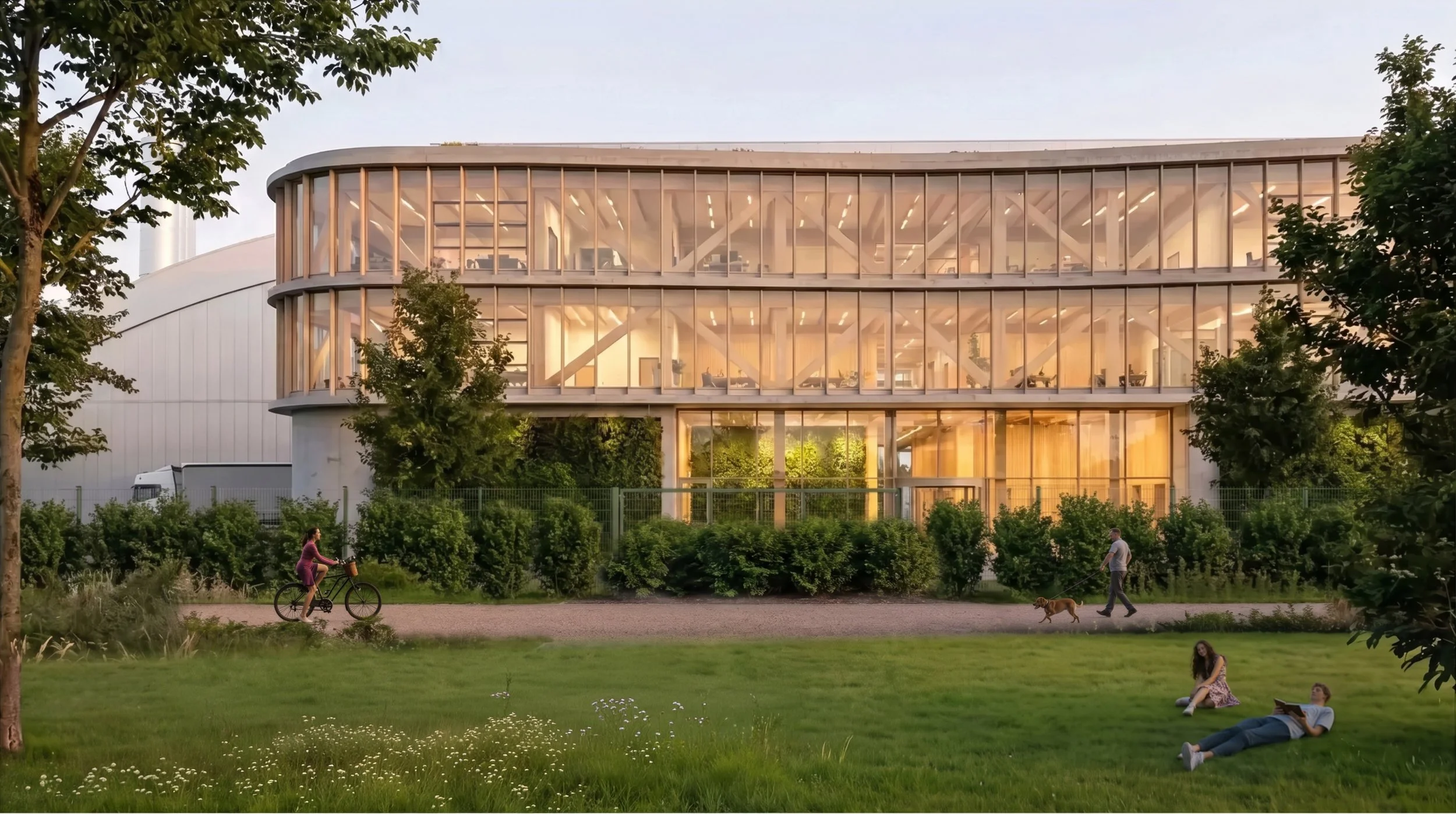
At a glance
A major cloud data centre
Uxbridge Road Tech Park would provide secure computing, storage and communications infrastructure to support cloud services across the UK.
An existing quarry and industrial minerals site
The proposed site is the Brett Aggregates quarry, east of Uxbridge Road. The site is currently used for mineral extraction and processing, including aggregate washing and bagging.
£4 billion of investment
Uxbridge Road Tech Park would represent a major private-sector investment in UK digital infrastructure.
Hundreds of permanent jobs
The campus is expected to create hundreds of operational and support jobs, alongside many construction roles and wider supply-chain opportunities.
Climate neutral operation
Climate neutral operation will be secured through enforceable planning conditions and, where appropriate, legally-binding planning obligations.
A new wildlife park
The proposals include extensive landscaping, ponds, wetlands, new habitats and publicly-accessible walking routes.
Need
What is a cloud data centre?
Everyday digital services that live “in the cloud” require physical buildings and equipment.
A cloud data centre is a secure facility containing computer servers, data-storage systems and high-capacity communications equipment.
It provides computing power to people, public bodies and businesses.
Cloud data centres support services including:
online banking and payment systems
business software and file storage
healthcare and public-service systems
websites and mobile applications
video calls and remote working
online retail and logistics
streaming and entertainment
artificial intelligence and data analysis.
Why is more cloud capacity needed?
Cloud services have become part of the basic infrastructure on which the UK economy and public services depend.
People use cloud infrastructure whenever they access online accounts, applications, documents or entertainment.
Public bodies use secure digital infrastructure to operate essential systems and deliver services.
Businesses use the cloud to communicate, manage information, process payments and provide services to customers.
Providing more cloud capacity in the UK would:
strengthen the resilience of essential digital services
increase the capacity available to people and organisations in the UK
provide infrastructure for innovation and new technology
support business growth and productivity
help retain digital investment in the UK
reduce dependence on infrastructure located overseas.
Why this location?
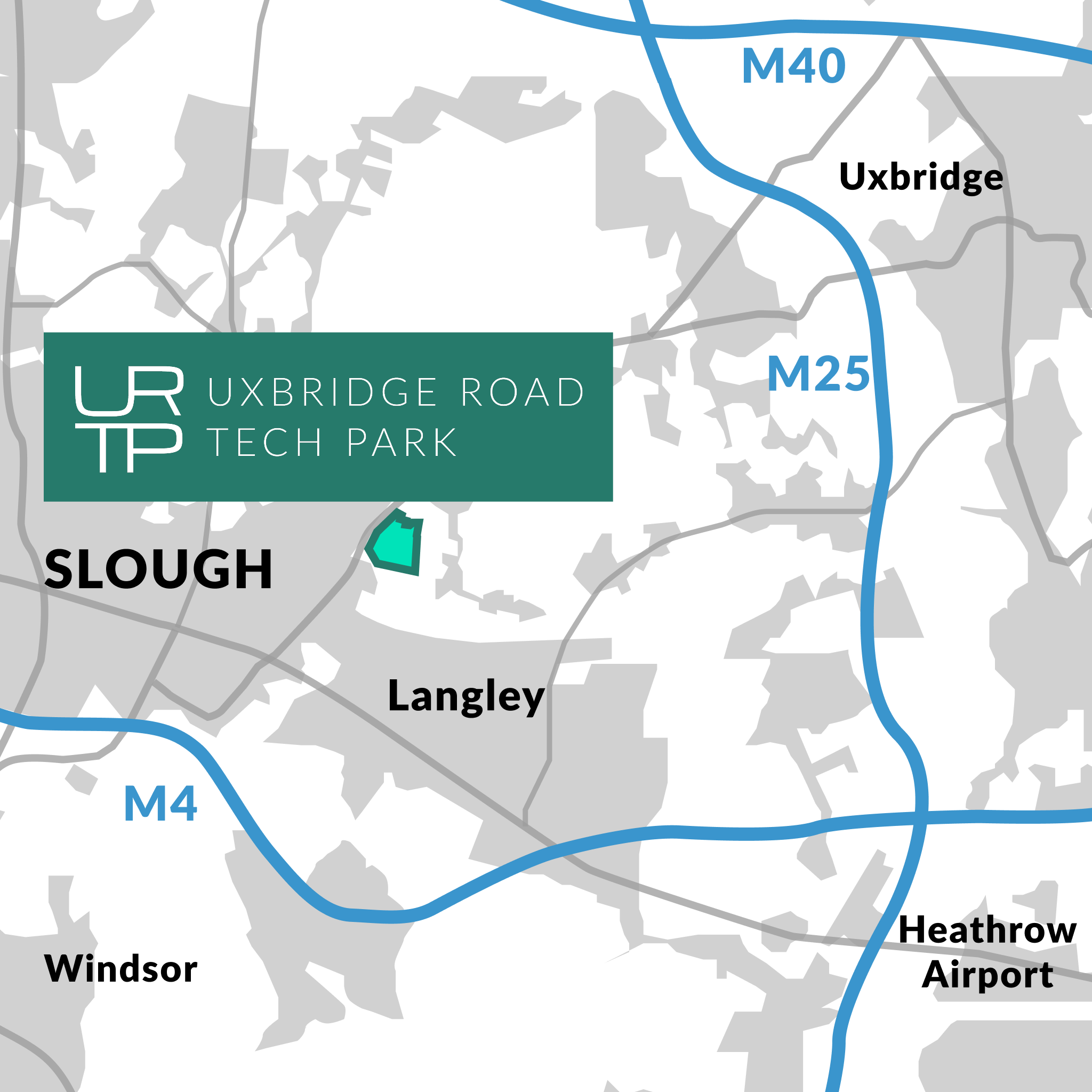
The Slough Availability Zone
Uxbridge Road Tech Park is within the Slough Availability Zone, Europe’s most established and internationally-recognised cluster of cloud data centres.
Cloud data centres require low latency connections to link up via high-capacity fibre networks. This is so data can be backed up, computing workloads shared, and services continue if one data centre is disrupted.
To do this, new cloud data centres like URTP must be close to existing data centres and communications infrastructure.
Developing URTP at the Brett Aggregates site would make it part of the Slough Availability Zone, while also providing enough land for the data centre buildings, landscaping, parks, environmental mitigation and supporting infrastructure.
The Brett Aggregates quarry
The proposed site for Uxbridge Road Tech Park is currently in operation as the Brett Aggregates quarry and minerals processing site, where activities can include:
mineral extraction
mineral washing and processing
aggregate storage and bagging
construction material management
material delivery and dispatch by truck
progressive infilling and restoration
URTP would provide a carefully-designed long-term use for the site once quarrying and minerals operations end.
The tech campus would occupy only part of the land, with substantial areas used for public access, landscape restoration, habitat creation and water management.
Proposed grey belt
The site has been identified as potential grey belt in the emerging local development plan. Buckinghamshire and Slough Councils will consider the status of the site and the planning merits of the proposals when the planning application is submitted.